
The late bloomer’s edge:technique.
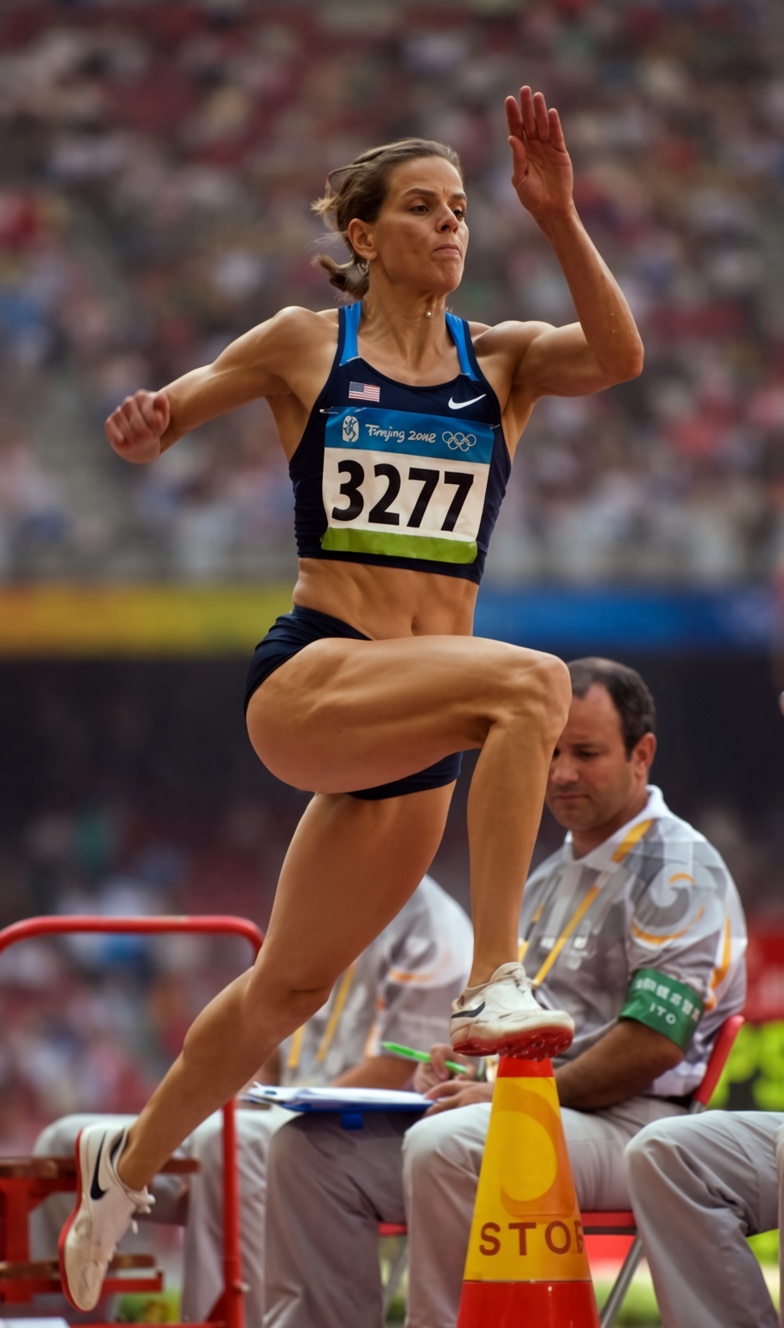
Some critics and coaches thought of me as a “late bloomer.” My talent wasn’t noticeable until later. I was a developmental athlete.
In track and field you have the phenoms, like Allyson Felix — my first Olympic Games, in Athens, was Allyson’s first Olympic Games, and I believe she was still in high school. You have the college standouts, the athletes who win NCAA titles and arrive on the professional circuit already known. And then you have the developmental athletes, like me: never made a huge wave in college, but carried a stubbornness and a drive that just wouldn’t let up.
Arriving late isn’t the same as arriving short
Being a developmental athlete means your progress doesn’t show up on anyone’s list of names to watch. It shows up in inches, over seasons. Mine came from staying in the sport long after the point where most people decide the verdict is already in — one more year of training, one more year of learning what my body would do if I asked it correctly.
The advantage of coming up that way is that nothing was ever handed to me by raw ability, so I had to understand why the jump worked. That understanding is what I still coach from today.
The question I wish I had asked
The athletes who performed well, if they were around, wouldn’t necessarily talk about how great their performance was — that may come off as a bit obnoxious! However, if I could go back, I would love to find those athletes who had a stellar performance and ask them, “Why do you think you performed so well?”
Performance comes down to much more than what happened on the track that day. Performance is the result of systems built over time, through dedication and attention to details.